RTIC vs Yeti in 2026: Is RTIC Really as Good?
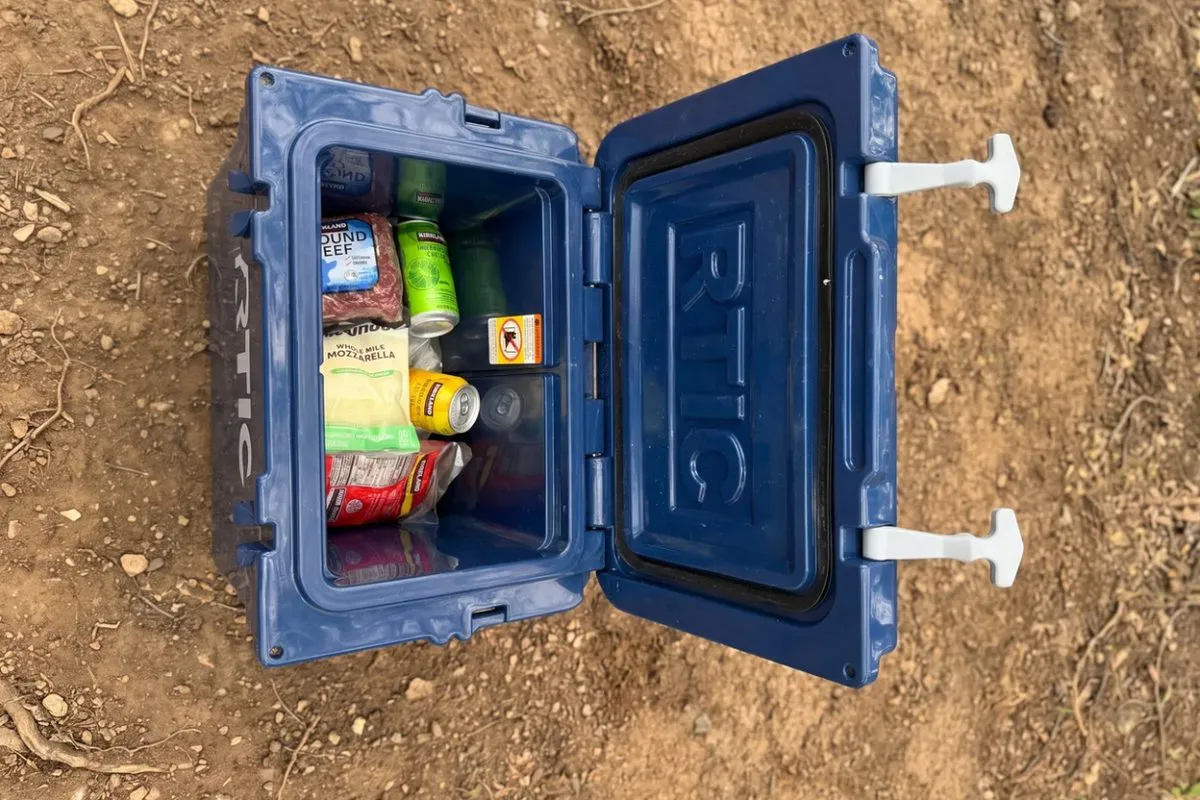
Yes, the RTIC is as good as a Yeti for what almost anyone actually does with a cooler. I’ve used an RTIC 20 hard cooler for two years, it holds ice about three days in summer heat, it takes a beating, and it cost me less than the Yeti I looked at instead. A Yeti might be a slightly better product overall, but not by enough to justify the price. If you want one hard cooler and you’re not after the badge, get the RTIC.
RTIC vs Yeti at a glance
| RTIC 20 QT | Comparable Yeti | |
|---|---|---|
| Price | About $180 | About $200 to $275 |
| Capacity | 20 qt | 15 to 32 qt |
| Ice retention | About 3 days | About 3 days |
| Build | Rotomolded, one-piece | Rotomolded, one-piece |
Both are rotomolded, both have thick foam walls and a freezer-style gasket, and both hold ice about the same. The gap people imagine between them mostly isn’t there.
Buy the RTIC if
- You want to save money
- You camp, road trip, or hit the beach
- You want the same ice retention for less
- The brand name doesn't matter to you
Consider a Yeti if
- You catch one on a deal for less
- You want better resale value
- You specifically want the Yeti brand
Do they really hold ice the same?
Close enough that it doesn’t change a trip. My RTIC 20 holds ice about three days in summer heat, with the cooler pre-chilled and a mix of block ice and cubes. A Yeti does the same. If you want the full breakdown, here’s how long ice lasts in a cooler by type. In a controlled lab test a Yeti might squeeze out a few more hours, but I’ve never been on a trip where a few hours decided anything.
What actually matters is pre-chilling. If I pre-chill my RTIC and a buddy throws warm drinks into a room-temperature Yeti, my cheaper cooler wins ten times out of ten. How you pack it matters more than which brand you bought, and I go through all of that in how to keep food cold while camping.
Durability after two years
Mine looks used and works like new. Two years of trips have left scratches and scuffs all over it, but the latches still snap tight, the gasket still seals, and the stainless handle still locks upright the way it did on day one. Nothing has cracked, torn, or loosened. Rotomolded coolers are basically one solid piece of plastic, and it shows. A Yeti is built just as well, but so is this, and I didn’t pay Yeti money for it.
What about the price?
This is the real difference. My RTIC 20 was about $180. The closest Yeti runs about $200 to $275 depending on the size you land on, and for that you often get the same capacity or less. Go up to the bigger coolers and the gap gets wider, sometimes $100 or more for the same size. You get the same ice retention and the same durability for less money.
Weight
A loaded hard cooler is heavy, and the RTIC 20 is 18.3 lbs empty before you add ice and food. That’s the trade for holding ice three days, all that foam in the walls weighs something. It’s a two-hands carry when it’s full. If weight is a real concern for you, RTIC makes an Ultra-Light line that drops a good chunk of it, and it’s worth a look before you buy.
When a Yeti actually makes sense
I’ll always buy RTIC over Yeti unless I find a Yeti on a deal cheaper than the RTIC. But a couple of real reasons to go Yeti:
- Resale. A Yeti tends to hold its value better if you ever sell it.
- The brand. If you want a Yeti, that’s a real reason, just know what you’re paying for.
One thing people bring up that I don’t buy: bear country. Yeti sells certified bear-resistant coolers, but if you’re hauling a hard cooler you’re almost certainly car camping, and you just lock the cooler in your car overnight anyway. The certification doesn’t change what I’d do.
So which should you buy?
Get the RTIC. It matches a Yeti on the two things that matter, ice and durability, for less money, and after two years mine hasn’t given me a reason to wish I’d spent more. The one thing I’d change is the size. I have the 20 and I sometimes wish I’d gotten a 45, so buy a size up from what you think you need, or grab two sizes if you can afford it.
Buy the Yeti only if you catch it on a deal that beats the RTIC, or you want the brand and the better resale.
Still deciding on the format? I broke down hard cooler vs soft cooler too. The hard one is the do-everything pick.
RTIC vs Yeti FAQ
Is RTIC as good as Yeti? For everyday camping, beach days, and road trips, yes. They use the same rotomolded construction and hold ice about the same. A Yeti may edge it out slightly in a lab, but not in a way you’ll notice on a trip.
Does RTIC keep ice as long as Yeti? About the same, roughly three days for a cooler this size in summer, as long as you pre-chill it and keep it packed. How you pack the cooler matters more than the brand.
Is RTIC cheaper than Yeti? Yes. A comparable RTIC usually costs less, and the gap grows on bigger coolers, where Yeti can run $100 or more above RTIC for the same size.
Why is Yeti so much more expensive than RTIC? You’re mostly paying for the brand and the better resale value. The core build and ice retention are close enough that most people won’t tell the difference in real use.
Should I buy a RTIC or a Yeti? Buy the RTIC unless you find a Yeti on sale for less, or you specifically want the Yeti brand. For the money, the RTIC is the better value.