What to Pack for a Day Hike: A Complete Checklist
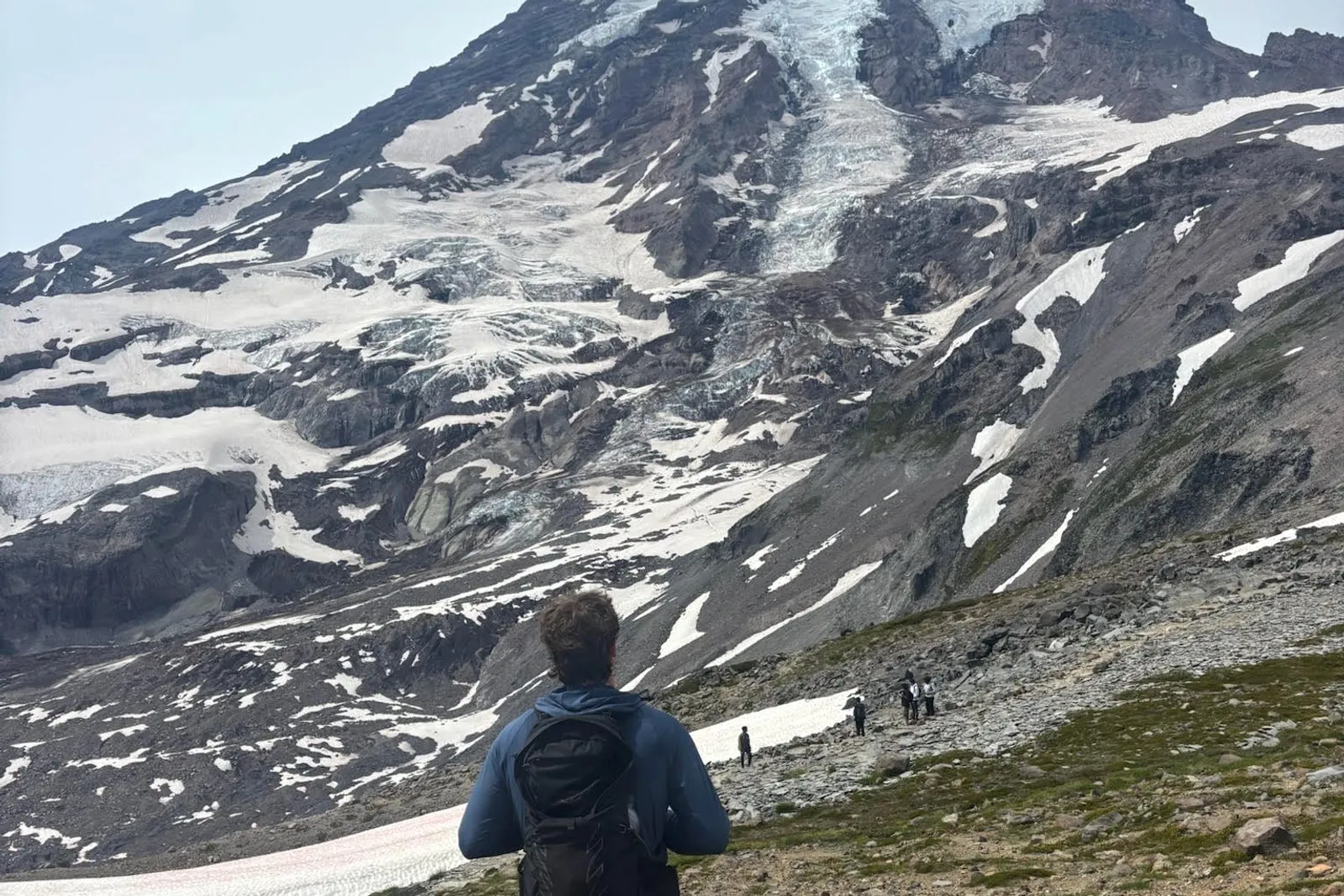
Wondering what to pack for a day hike? The short version: a daypack, about two liters of water, food, layers including a rain shell, sun protection, and the safety gear that gets you home if something goes wrong. I hike everything from easy loops to bigger days like the Maple Pass Loop up by North Cascades National Park, and the mistake I see most is people bringing too little. I’ve watched hikers head up in jeans and Vans with a single water bottle. When the weather turns or someone rolls an ankle, that’s how a good afternoon turns into a rescue.
Here’s the full checklist, and how I adjust it for the trip in front of me.
Some links are affiliate links. I earn a small commission at no extra cost to you.
A daypack
Every day hike starts with the pack. For most of mine I carry the Osprey Talon 26, a 26-liter pack with room for water, food, layers, and the safety gear below. On a short hike where I’m only bringing water and snacks, I use a smaller Thule Vital 8L, a hydration pack with a built-in bladder. Match the pack to the trip. Something in the 18 to 30 liter range handles almost any day hike, and around 8 liters is plenty for a quick out-and-back.
Water
I carry two liters of water on a normal day hike, more when it’s hot and less on an easy one. If the trail has a reliable water source, I bring a Sawyer Squeeze to refill instead of hauling extra weight. I split my two liters between a Mazama bottle and a Nalgene. Running out of water is one of the fastest ways to turn a good hike bad, so start at two liters and add more for heat or distance.
Food and electrolytes
Bring more food than you think you’ll eat. I usually pack a mix: a PB&J, a couple of Honey Stinger waffles, some beef jerky, and gummy snacks for a quick sugar hit on a climb (Sour Patch Watermelon is my pick). On hot or long days I add SaltStick FastChews, chewable electrolyte tabs that help with cramps when you’re sweating hard. I always pack one more snack than I plan to eat, since hikes run long more often than they run short.
Clothing and layers
Weather in the mountains changes fast, so I bring a packable rain shell every time, even when the forecast is clear. The rest depends on the weather: my Mountain Hardwear grid fleece when it’s cold, a sun hoodie when it’s hot and exposed, or just shorts and a tee shirt on a mild afternoon. On my feet I wear Hoka Speedgoat trail runners and Darn Tough socks, pretty much every time.
Sun protection
Even on a cool day, the sun at elevation will cook you. I bring sunglasses on a Chums retainer so they don’t sink in a lake, sunscreen, and a hat or sun hoodie when the trail is exposed. Reapply the sunscreen. I forgot once and peeled for a week.
The safety essentials
This is the part people skip, and it’s the part that gets them stranded. Even on a short hike I carry the basics that get me home if something goes wrong: navigation that can’t lose signal, a headlamp, a small first-aid kit, a way to start a fire, an emergency blanket, and a knife or multitool. For anything remote or long, I’d add a Garmin inReach Mini 2 so you can call for help with no cell service.
I’ve seen hikers get flown out because they went in without this gear and got stuck when conditions changed. It happens more than you’d think. I break down exactly what I carry for each category in my 10 hiking essentials post. If you’re heading somewhere remote, read that and pack all ten.
Trekking poles (optional)
I don’t use trekking poles on day hikes, but they’re worth it if your knees bother you on the descents or the trail is steep. A pair of Black Diamond Trail poles takes real load off your knees going downhill. On flat, easy trails you likely don’t need them.
How to adjust for the hike
Not every hike needs everything. On a flat two-mile loop near the car, I’ll bring water, a snack, and a shell and call it good. The longer, higher, and more remote you go, the more you pack: extra layers, extra food, and every one of the ten essentials. When in doubt, pack for the hike going sideways, not the hike going to plan.
Day hike packing FAQ
What do you need for a day hike? A daypack, water (about two liters), food, layers including a rain shell, sun protection, and the safety basics: navigation, a headlamp, a first-aid kit, fire, an emergency blanket, and a knife. Scale it up for longer or more remote trails.
How much water should I bring on a day hike? Two liters covers most day hikes. Bring more when it’s hot or the hike is long, and less on a short, easy one. If there’s a reliable water source, a filter like the Sawyer Squeeze lets you carry less and refill on the trail.
What should a beginner bring on a day hike? Start with the basics and don’t underpack. Water, food, a rain shell, real shoes instead of sneakers, and the safety essentials. Most new hikers bring too little, not too much, and that’s what gets people in trouble when the weather turns.
What should I wear on a day hike? Trail shoes and good socks, plus layers you can add or shed: a base layer, a fleece or sun hoodie depending on the temperature, and a packable rain shell. Skip cotton, which stays wet and cold once you sweat.
Do I need the 10 essentials for a short hike? For a short, busy trail near town you can trim down. For anything remote, long, or high, carry all ten. The essentials are there for the trip that doesn’t go to plan, and those are the trips where they matter most.